Alibaba Chair Joe Tsai: China's AI Edge Lies in Power Grid Investment and Open Source
Alibaba Chair Joe Tsai states at China Development Forum 2026 that China's AI advantage lies in $90B annual power grid investment and commitment to open-source models.
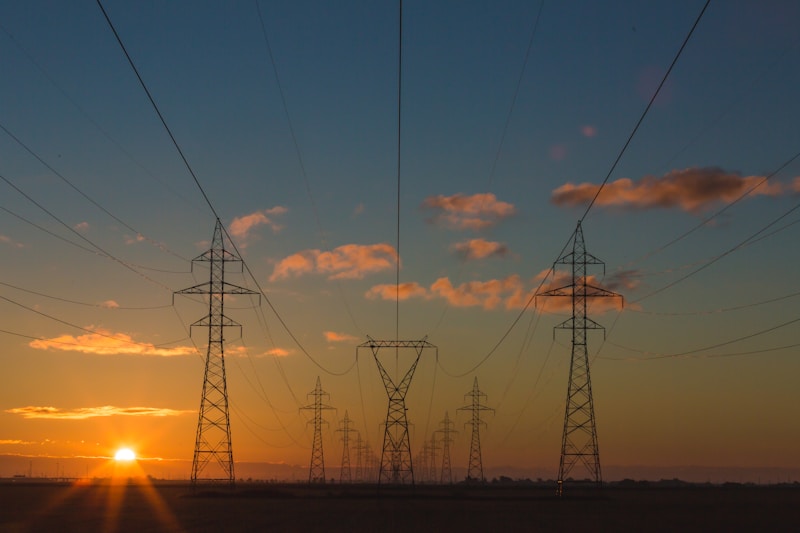
Alibaba Chairman Joe Tsai stated at the 'China Development Forum 2026' held in Beijing that China's advantage in the AI field lies in strategic investment in the power grid and commitment to open-source models. According to SCMP, Tsai pointed out that China has continuously increased investment in its power grid over the past decade, with average annual spending reaching approximately $90 billion in recent years.
According to Tsai, as a result of this power infrastructure investment, China's new power generation capacity last year was ten times that of the United States. AI training and inference require enormous amounts of electricity, and a stable power supply forms the foundation of AI development. Furthermore, Tsai emphasized that the ultimate goal of AI development is to spread applications that benefit society, and open-source models hold the key to achieving this.
These remarks were made amid intensifying US-China technology competition, demonstrating how China prioritizes infrastructure investment and open-source strategies to establish dominance in the AI field. Alibaba has been actively deploying its own open-source model 'Qwen' series, and Tsai's statements align with Alibaba's strategic direction. China's strength in having a complete manufacturing supply chain, combined with the push for domestic AI semiconductor production, could serve as a source of long-term competitive advantage.
Sources
AI Newsletter
Get the latest AI tools and news delivered daily